How Twitter's AI Translation Is Breaking Language Barriers for Global Software Engineering Teams
Discover how automated AI translation on social platforms is enabling developers worldwide to collaborate on backend development and system design without language limits.

What's Really Going On With Twitter's AI Translation for Tech Teams
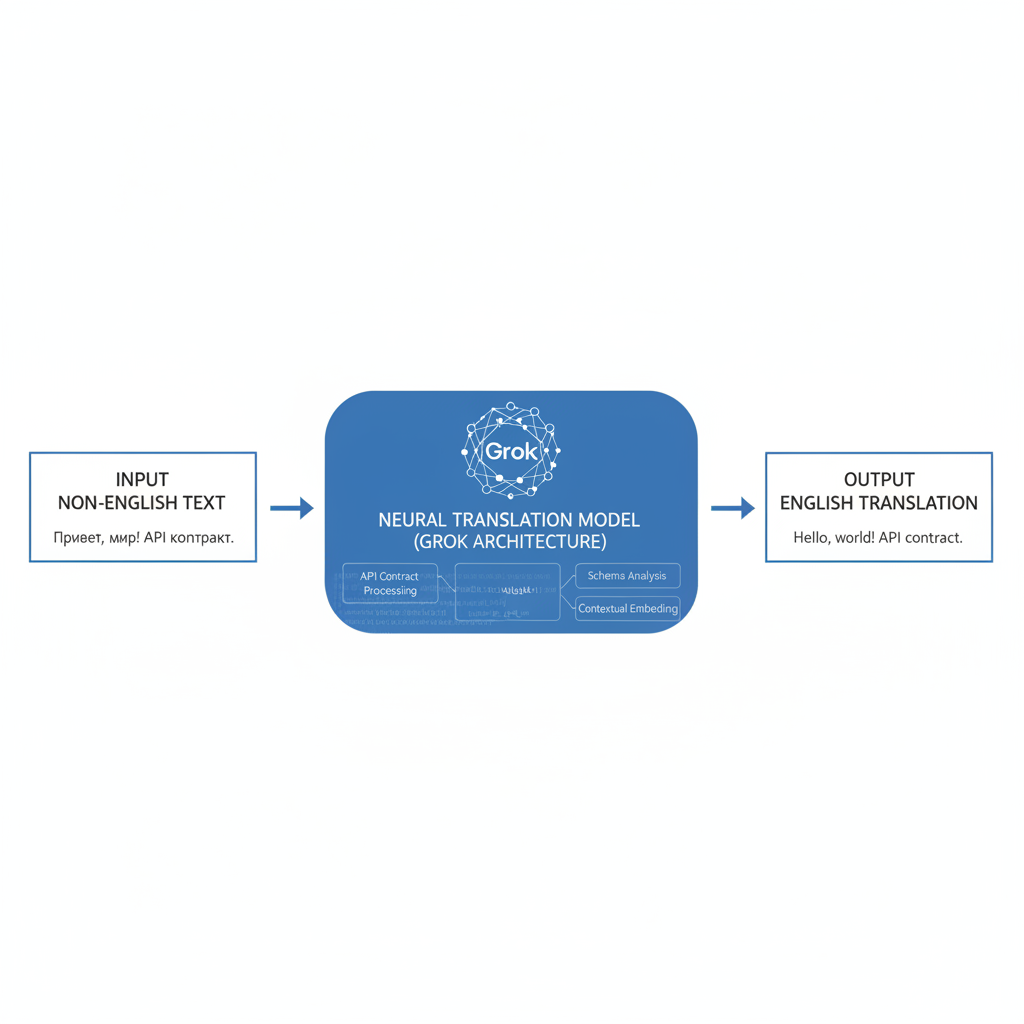
Twitter rolled out an AI translation tool. The whole thing sits inside Twitter's own tools and APIs, so translations show up right where engineers already work, in threads, incident notes, and shared specs.
The models pull from xAI's Grok setup to juggle both everyday language and the precise vocabulary backend folks use every day. When someone posts an architecture idea in their first language, the output still carries the original intent around latency goals or caching choices. That matters more than people outside engineering realize.
How Global Software Engineering Teams Are Actually Using It
Distributed teams have noticed real shifts once the feature landed. Many enterprise groups now fold AI translation into their daily flow, especially when reviews and post-mortems involve engineers spread across regions. The biggest change shows up in participation, people who used to stay quiet because of language gaps now jump into design conversations more often.
Teams also tend to report improvements in cycle times when documents translate on the spot instead of waiting for manual help. Non-native speakers can contribute ideas that might have stayed buried before, which can bring additional perspectives to decisions about system trade-offs. The effect compounds in backend work where one unclear comment about serialization or locking can ripple through an entire release.
Real Wins and Lingering Headaches for Backend Development
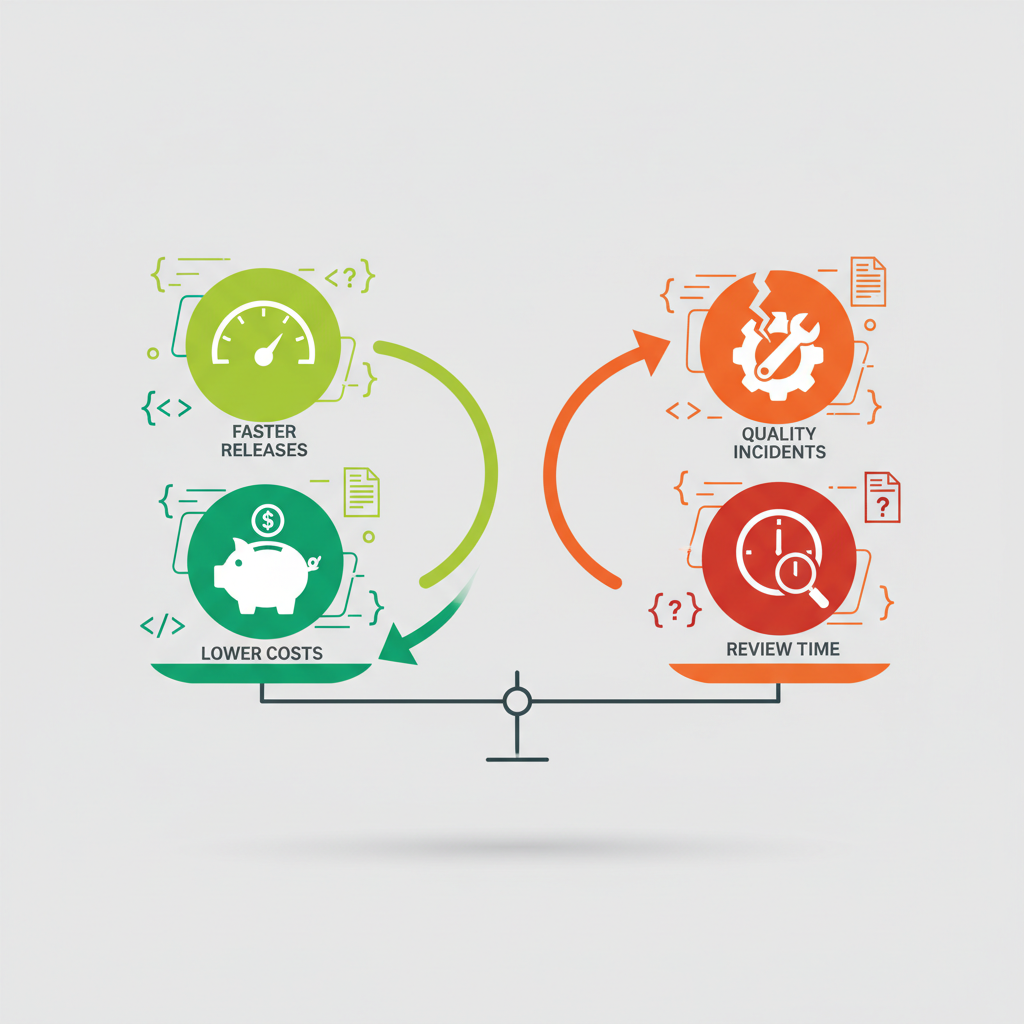
Backend groups feel the upside most clearly when sharing database schemas or infrastructure notes across languages. Comments land faster, alignment on performance and security happens quicker, and the manual translation burden drops. Plenty of teams mention lighter workloads and lower costs once the tool becomes part of the routine.
Still, the risks sit right there too. Subtle errors in performance-sensitive sections, like ordering rules or data formats, can slip through and cause production trouble later. Developers already spend extra time double-checking AI-assisted reviews, and some notice more deployment hiccups when the translation layer gets used heavily. Human oversight stays essential, especially on anything touching correctness or safety.
Where to Slot AI Translation Into Your Workflow
The teams getting the most out of this treat it as a targeted helper rather than a blanket solution. Slack threads about schema changes and pull-request comments on infrastructure updates make good entry points. Architecture docs that carry long-term weight still need an explicit human review step after the translation runs.
High-stakes calls around security boundaries or capacity assumptions deserve that second pass every time. Tracking cycle-time improvements and how many more voices join the conversation gives a clearer picture than just counting translated words. Organizations that watch both the speed gains and the occasional quality slips tend to set better boundaries around where automation ends and engineer judgment takes over.
Tech Industry Examples Worth Noting
Enterprise teams have started using real-time translation during technical sessions across regions. Engineers could weigh in on design choices without the usual delay.
Projects have added the tool to their contribution process and saw more input from developers outside English-first regions. Early issues popped up when automated phrasing changed the meaning of certain controls, so the maintainers added mandatory human review for any comment touching performance or correctness. That adjustment lines up with what other groups have learned: the productivity lift only sticks when quality checks stay in place.
Where AI Translation for Software Engineering Heads Next
More training on technical material should tighten accuracy around commit messages and inline code comments. Standards for multilingual engineering docs are starting to call for review layers that scale with how sensitive the content is. When those practices settle in, the technology can support broader participation without quietly adding technical debt.
Twitter's approach already shows how artificial intelligence can lower barriers that once slowed global software engineering and backend development work. Teams willing to use it with clear guardrails are building systems that move quicker and include more perspectives. The real test will be whether those same teams keep the human review habits that prevent small translation slips from becoming bigger problems down the line.
Related Articles

Running LLMs Locally: Performance Gains for Backend Development Without Cloud Costs

Building Backend Systems with Java Spring Boot for Embodied AI in Robotics Startups
Markdown Mastery: Crafting Transmit-Ready Docs for Backend Development Projects