System Design Patterns for Sustainable Computing in Humanoid Robot Software Engineering
Explore system design techniques for energy-aware AI in humanoid robots, improving developer productivity while addressing sustainable tech industry insights.
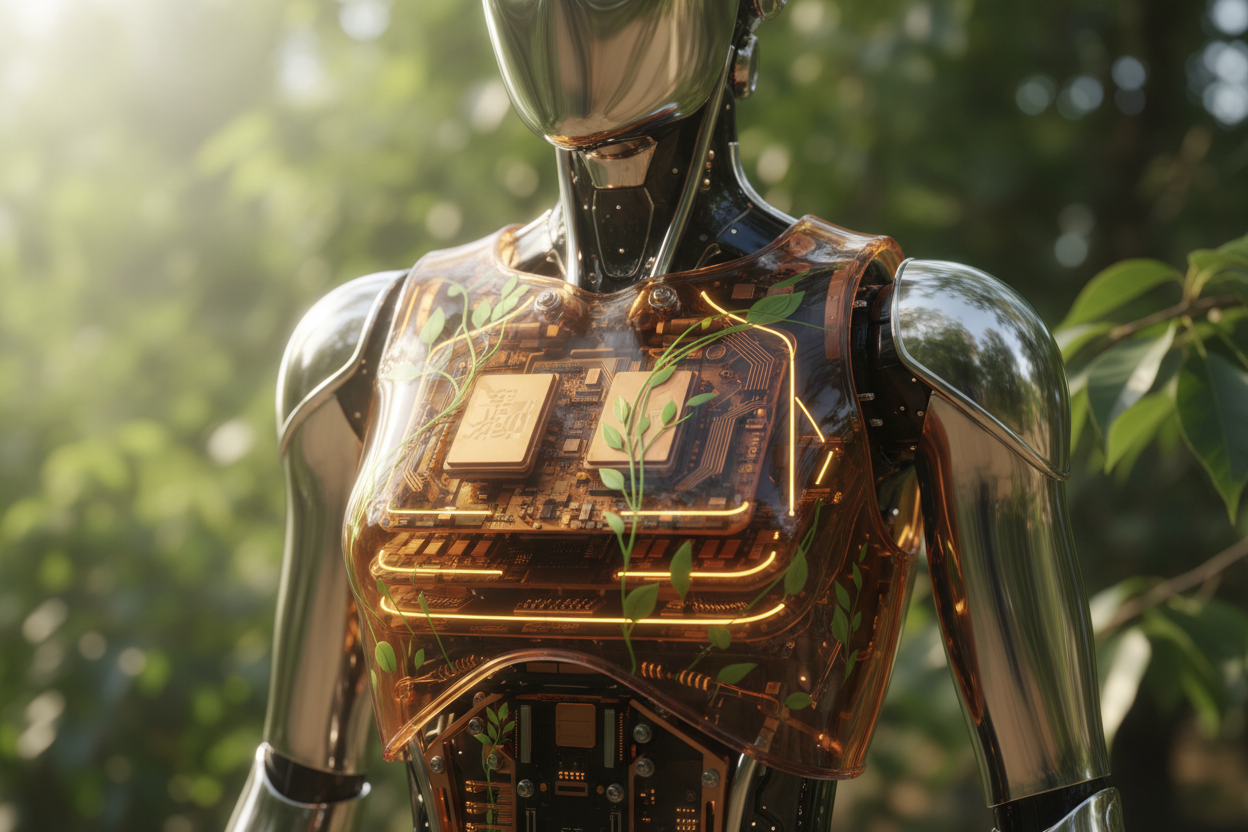
In humanoid robot software engineering, can innovative system design patterns significantly cut energy use while boosting developer productivity? Yeah, they can. Sustainable computing is shaking up the field, and it's time to pay attention.
Stick with me, and you'll walk away with actionable system design patterns for energy-efficient humanoid robots. You'll see how modular setups enhance developer productivity. Plus, you'll get real strategies to tackle power headaches. All this sets you up to lead in future technology.
Why Energy Efficiency Matters in Humanoid Robot System Design
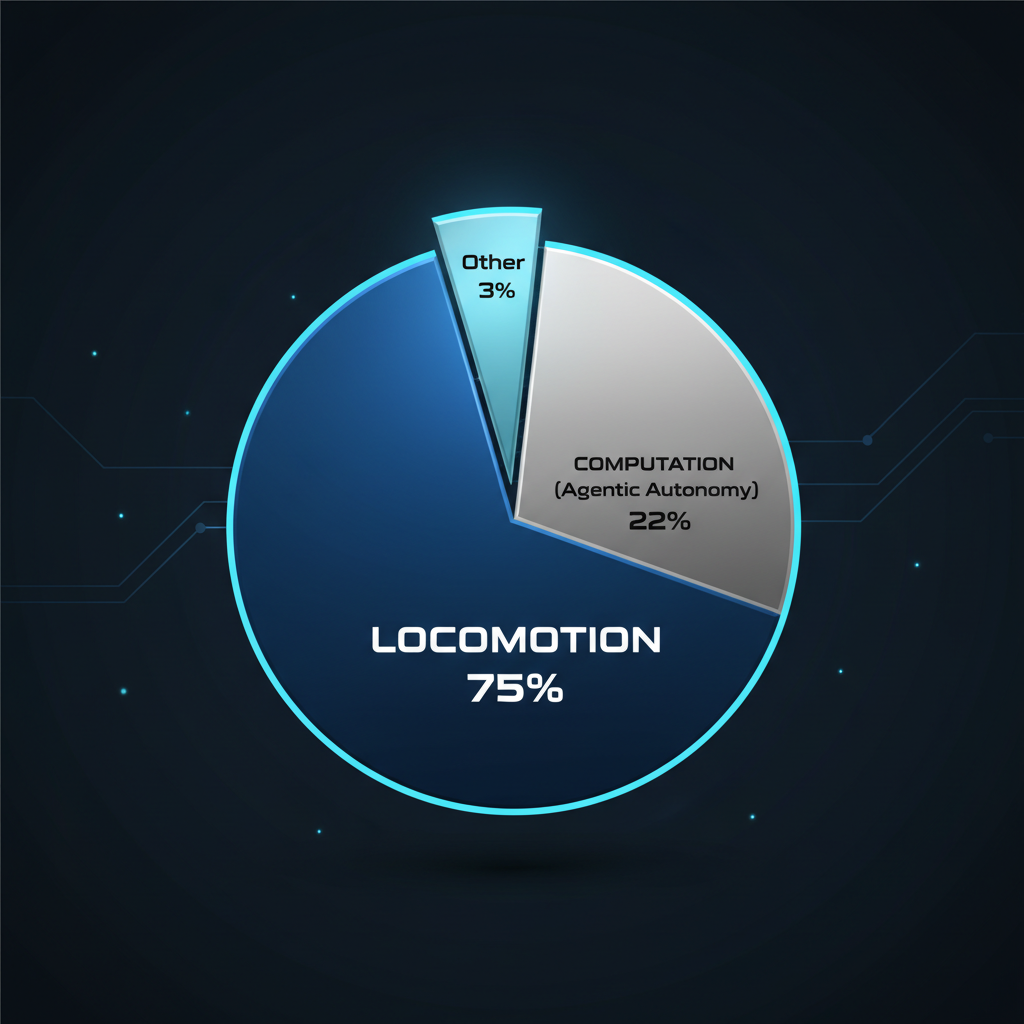
Humanoid robots deal with brutal energy limits. Locomotion gobbles up the biggest chunk during movement, often more than 70% of total power. Agentic autonomy? That adds hefty compute demands, pushing another 20% or so into the mix. No wonder typical runtimes hover around two to four hours.
Power hogs kill scalability. Robots that die after a couple hours can't cut it for real field work. Constant recharges jack up costs and crimp usefulness. Software folks feel it too. Short sessions mean rushed tests, fewer iterations, slower progress on stuff like walking or grabbing.
Smart system design changes that. Longer runtimes mean solid testing. This generally enables teams to complete more cycles on tricky behaviors. Energy efficiency tends to enhance developer productivity, with less debug time and more output. Sustainability supports speed to market.
Key System Design Patterns That Tame AI's Power Appetite
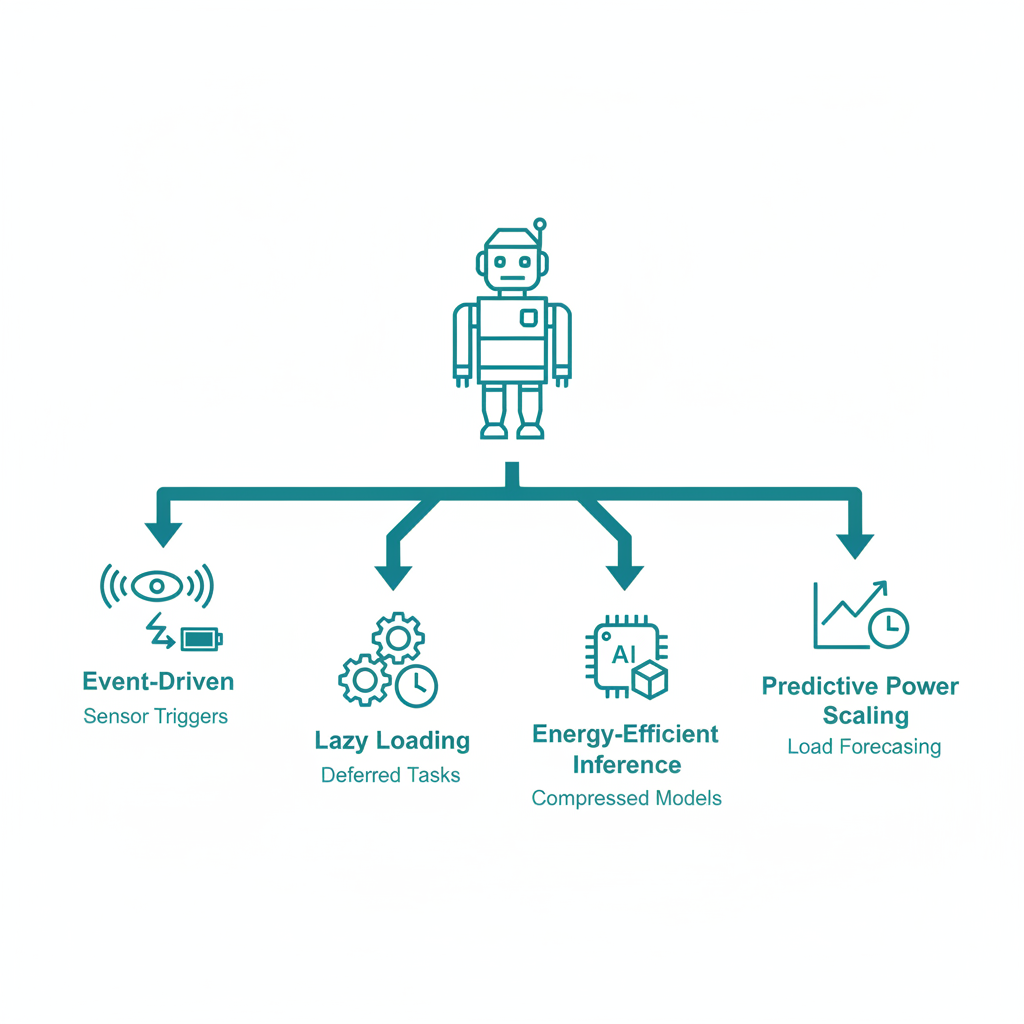
These patterns hit AI where it hurts most: power draw. Check them out:
- Energy-efficient inference: Minimizes joules per output using model compression, adaptive computation, optimized kernels, and hardware-aware serving.
ROS2 rules as the dominant middleware framework these days, underscoring the trend towards standardized, real-time communication infrastructures.
Robots add twists. Mobility swings energy use wildly, with walking dominating. Nail these patterns, and your stack slims down for edge runs.
Modular Architectures: Speed and Savings for Developers
Modularity ties green power to fast work. In ROS2, nodes snap together. Teams work in parallel.
Modular hardware pairs perfectly. Quick builds, easy fixes, upgrades on the go, even self-assembly far out. Scalability, upkeep, flexibility? All boost sustainable setups. Modular designs generally enable faster development cycles, energy wins built in.
Adaptive Computation Keeps Robots Lean in Any Scenario
Dynamic tweaks match power to the moment. Profile at runtime: rough AI for plain walking, sharp for tricky grabs.
Frameworks like energy-constrained optimization bake power limits into motion math. Stable walks emerge, freeing budget from that locomotion beast. ROS2 trends make efficient bases standard.
Team Up Software with Batteries for Real Gains
Software talks to hardware, or you're wasting potential. Monitor battery health and manage power proactively to avoid deep drains.
This pushes past short runtimes with code smarts. Locomotion leaves little room for compute; software grabs it back. Green principles from places like the Green Software Foundation guide the way. Think precise resource use in setups like Kubernetes. Longer life means tough tests without endless battery swaps.
Crack Power Management Headaches in Humanoid Robots
Problems stick around. Thermal throttling during long AI bursts requires careful workload distribution and cooling management.
Real-time slips under power limits require prioritizing essential functions like staying upright.
Bet on open standards, ROS2 leading. Sustainable software engineering slashes emissions, syncing robot work with tech industry insights on green practices.
Grab these system design patterns. Turn humanoid robot software engineering into a sustainable force. Lift developer productivity. Unlock future technology. Prototype now. Build a greener tech industry.
Related Articles

Microservices Architecture Patterns for 2M-Token Context AI Applications

Microservices Architecture Patterns for Embodied AI in Humanoid Robotics Projects

Hybrid Cloud Deployment Models for Banks Handling Regulated Data